What is Plastic Product Design
Plastic products are present in everyday applications. From mobile phone covers and appliance housings to automotive interiors and industrial enclosures, engineered plastic parts are an essential part of modern product design.
What You Will Learn in This Article
- What plastic product design is in mechanical engineering
- Where plastic components are used in real industries
- Types of engineering plastics and their applications
- Difference between thermoplastics and thermosetting plastics
- CAD tools used to design plastic parts
- Basic design considerations for manufacturing
- Why learning plastic product design helps engineering students build careers
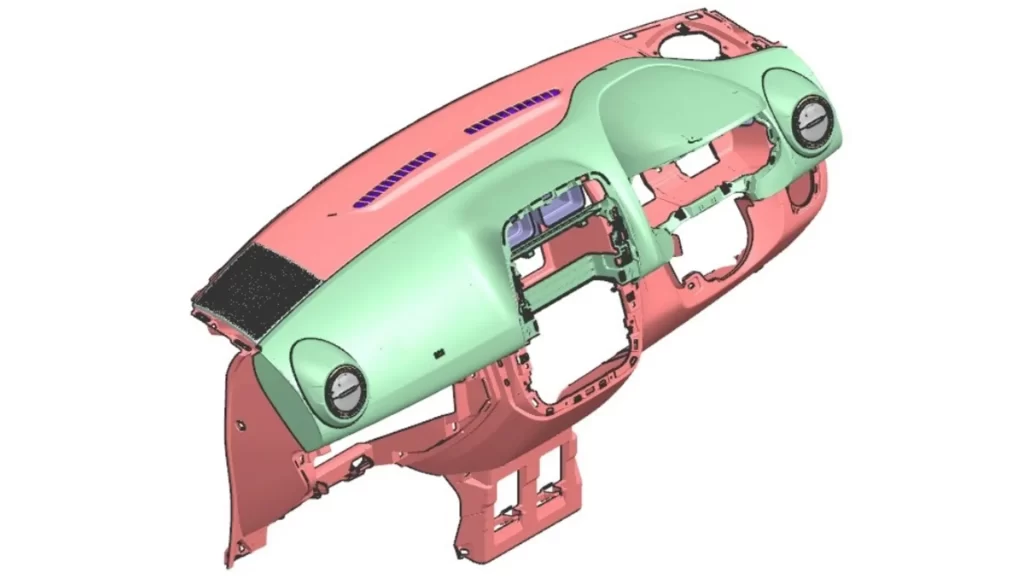
Plastic product design is the process of creating plastic components using engineering principles and CAD software. Engineers design these parts so they can perform their function properly and also be manufactured easily.
Plastic parts are widely used in industries like:
- automotive
- electronics
- consumer products
- medical devices
For example, many parts inside a car such as dashboards, trims, clips, and panels are made from plastic because plastic is lightweight and durable.


Plastic components are used in many automotive systems such as interior trims, panels, and protective covers. Plastics help reduce vehicle weight while maintaining durability.
Types of Plastics Used in Mechanical Engineering
Different plastic materials are used depending on the strength, flexibility, and temperature resistance required for a product. There are mainly two types of plastics used in engineering.
Thermoplastics
Thermoplastics can be heated, melted, and reshaped multiple times.
Common thermoplastics include:
- ABS
- Polypropylene (PP)
- Polycarbonate (PC)
- Nylon (PA)
- Polyethylene (PE)
These plastics are used in products like automotive parts, electronic housings, and consumer products.
Thermosetting Plastics
Thermosetting plastics become permanently hard after heating and cannot be reshaped again.
Examples include:
- Epoxy
- Phenolic resins
- Polyester resins
These materials are used in electrical insulation, aerospace components, and industrial machines.


Many engineering plastics such as polycarbonate, polyethylene, and polyurethane are commonly used in automotive components due to their strength and durability.
Tools Used for Plastic Product Design
Mechanical engineers design plastic parts using CAD (Computer-Aided Design) software. These tools help engineers create accurate 3D models and product designs. Some commonly used tools include:
- CATIA
- SolidWorks
- Siemens NX
Using these tools engineers can:
- create 3D models of plastic components
- apply design guidelines such as wall thickness and draft angle
- check product assembly
- prepare designs for manufacturing processes like injection molding


These CAD tools help engineers design complex plastic parts used in industries like automotive, aerospace, and consumer product development.
Why Engineering Students Should Learn Plastic Product Design
Students who learn plastic product design develop practical skills that are directly relevant to product development and manufacturing roles. They gain exposure to:
- Real component modeling practices
- Design for manufacturing concepts
- Plastic material selection
- Assembly understanding and product packaging
- Use of industry-standard CAD tools
These skills help students build careers in automotive product design, consumer product development, mold design support, and manufacturing engineering environments.
Conclusion
Plastic product design is an important field in modern mechanical engineering. Engineers design plastic parts to ensure they are strong, lightweight, and easy to manufacture. Enquire for Plastic Product Course in Pune
By understanding plastic materials and using modern CAD tools, engineers can develop products used in many industries such as automotive, electronics, and industrial equipment.
For mechanical engineering students, learning plastic product design can open career opportunities in product development, automotive design, and manufacturing engineering.
Plastic products are used everywhere today. From car dashboards and mobile phone covers to household containers, plastic parts are widely used in many industries.
In mechanical engineering, designing these components is called Plastic Product Design. Engineers design plastic parts so that they are lightweight, strong, cost-effective, and easy to manufacture.
Plastic Product Design Course Inquiry
Interested in learning plastic product design with practical CAD software training and real design project exposure?
You can connect with our training team to understand course modules, software coverage, project work, and career guidance.
• Learn plastic component modeling techniques
• Understand design rules used in injection molded parts
• Practice assembly-based product design
• Work on industry-style design assignments
• Get guidance on design career opportunities
To know batch schedules, syllabus details, fees, or counseling availability, you can enquire now with MechEase Institute.