What is 3D Routing?
Summary
What You Will Learn in This Article
- What 3D routing is and how engineers design cable and pipe paths inside machines
- Why routing inside a digital 3D model improves design accuracy and safety
- Importance of 3D routing in modern mechanical and electrical engineering
- Industries where routing concepts are widely used
- CAD software tools used for routing design
- Key components involved in routing systems
- Why learning 3D routing helps engineering students build practical design skills

What is 3D Routing?
3D routing is a design process used in CAD software to create and manage the path of cables, wires, pipes, or tubes inside a 3D model of a machine or product.
Instead of planning these paths manually, engineers design them directly inside a digital 3D assembly. This allows them to clearly visualize how cables or pipes move through the product and confirm that everything fits correctly within the available space.
For example, in a car there are many internal systems such as:
• Electrical wiring
• Fuel lines
• Brake pipes
• Cooling tubes
All these systems must be arranged carefully inside the vehicle structure. Using 3D routing, engineers can design these paths in an organized and safe manner before manufacturing begins.
This approach helps reduce design errors, improves packaging efficiency, and increases overall product quality.

3D cable routing inside a CAD mechanical assembly.
Importance of 3D Routing in Mechanical Engineering
3D routing plays a very important role in modern mechanical and electrical design. It helps engineers create efficient systems inside complex machines.
Here are some key reasons why 3D routing is important.
Better Design Visualization
Engineers can see how cables and pipes move through the product in a 3D environment. This makes it easier to understand the complete system.
Prevents Component Collision
3D routing allows engineers to check whether wires or pipes collide with other parts in the assembly. This helps avoid problems during manufacturing.
Improves Safety
Proper routing ensures that wires and pipes are placed safely and do not get damaged during machine operation.
Easier Maintenance
When routing is properly designed, technicians can easily access and repair components if needed.
Used in Multiple Industries
3D routing is used in industries such as:
- automotive engineering
- aerospace systems
- robotics and automation
- industrial machinery
Because of these applications, many companies look for engineers who understand routing concepts.

Example of cable routing path inside a mechanical system.
Tools Used for 3D Routing
Engineers use specialized CAD software to perform 3D routing. These tools help create accurate designs and simulate real-world systems.
Some commonly used tools include:
These tools allow engineers to:
- design cable and pipe routes
- manage routing components
- check for interference between parts
- generate manufacturing drawings
Learning these tools helps engineering students develop practical design skills required in industry.

3D routing tools used inside CAD software.
Components Used in 3D Routing
When engineers design routing systems, they work with multiple supporting components that ensure structural stability and protection.
- Cables and Wires : Used to transmit electrical power and signals between different machine components.
- Pipes and Tubes : Used for transporting fluids such as fuel, air, oil, or coolant.
- Connectors : Allow electrical cables to be connected or disconnected from devices during installation or maintenance.
- Clips and Clamps : Hold routed elements securely in position and prevent unwanted movement or vibration.
- Protective Covers : Provide insulation and protection from heat, dust, moisture, and mechanical damage.
Together, these components form a complete routing system that supports safe and efficient machine operation.

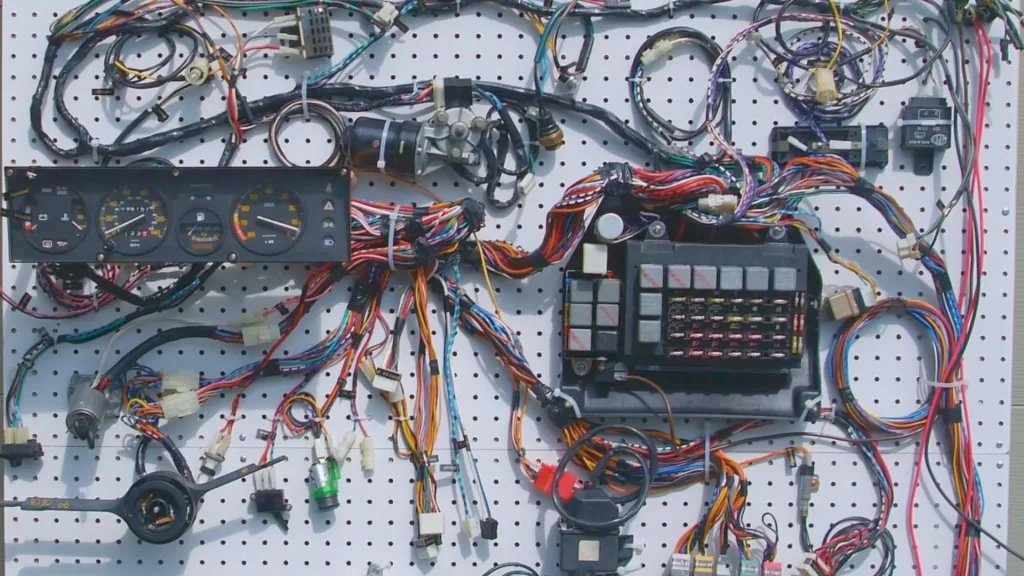
Electrical cables and connectors used in routing systems.
Why Engineering Students Should Learn 3D Routing
Modern engineering industries expect professionals who can work with digital design tools and understand real product development workflows.
Students who learn 3D routing gain practical skills such as:
• Understanding complex machine assemblies
• Designing safe and optimized routing paths
• Using advanced CAD software
• Solving real engineering packaging challenges
These skills are valuable for careers in automotive design, aerospace engineering, robotics, and industrial product development.
During learning, exposure to industry-oriented tools such as CATIA routing workbench or similar CAD routing modules helps students understand real design procedures like path creation, bend control, clearance management, and documentation practices.
Conclusion
3D routing is an essential process in modern mechanical and electrical design. It helps engineers organize cables, wires, pipes, and tubes inside machines in a structured and reliable manner.
By using CAD tools, engineers can visualize systems clearly, prevent design conflicts, and improve product quality before manufacturing begins.
For engineering students aiming to build careers in design and product development, understanding 3D routing fundamentals provides a strong practical foundation and improves industry readiness.
3D Routing Course Inquiry
Interested in learning 3D routing with practical CAD software training and project exposure?
You can connect with our training team to understand course modules, software tools covered, project practice, and career guidance.
• Learn routing concepts used in automotive and industrial design
• Practice cable and pipe routing inside 3D assemblies
• Understand interference checking and design validation
• Work on industry-style design exercises
• Get guidance on design career opportunities
To know batch schedules, syllabus details, fees, or counseling availability, you can enquire now with MechEase Institute.